
Xeomin 100U Korean Version
$156
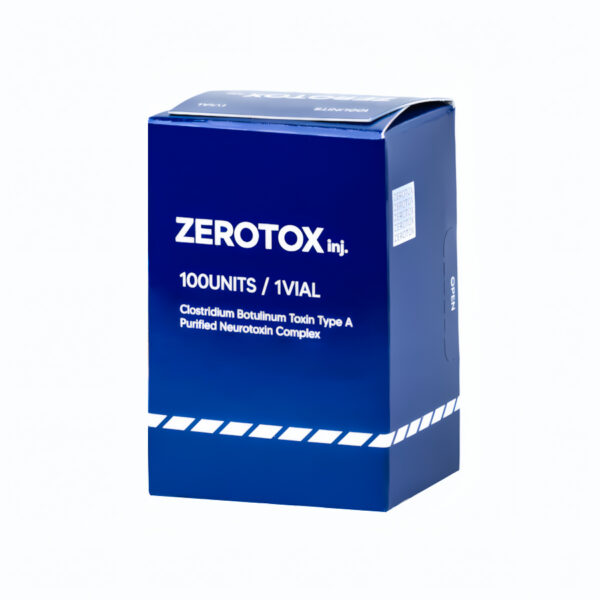
Xeomin 100U Korean Version — Merz Pure 150 kDa Botulinum
What it is
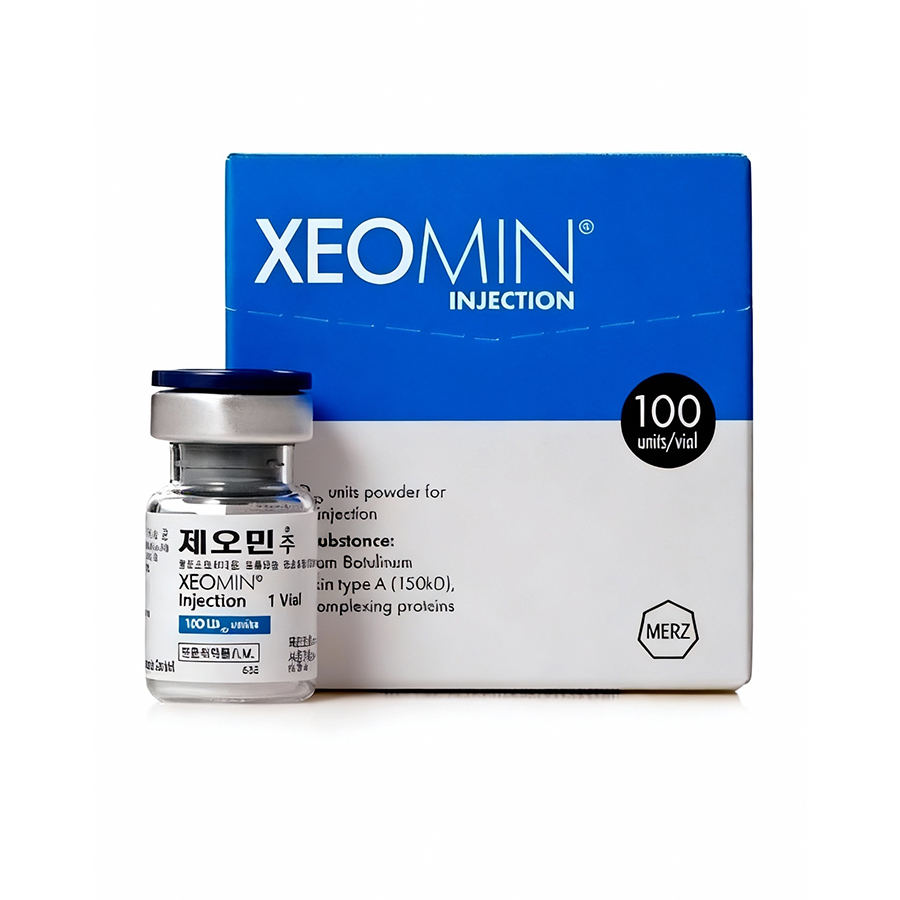
Xeomin 100U Korean Version — incobotulinumtoxinA is FDA-approved (Merz, 2010). This is a Korean-market version of the Western botulinum toxin type A manufactured by Merz Pharma GmbH & Co. (Frankfurt, Germany) — distinct from Korean-manufactured products by its complexing-protein-free formulation. The active ingredient IncobotulinumtoxinA is purified to a 150 kDa pure neurotoxin (without the 750 kDa of complexing proteins that wrap the toxin in most other botulinum products like Allergan Botox at 900 kDa). Each vial contains 100 units of freeze-dried IncobotulinumtoxinA stabilized with HSA and sucrose. This Korean-imported version is the same Merz formulation sold globally — sourced through Korea’s authorized pharmaceutical wholesale channel with English-language labeling.
What makes it distinctive
Xeomin’s defining feature is its complexing-protein-free formulation — Merz’s purification process strips away the 750 kDa of haemagglutinin and non-toxic non-haemagglutinin proteins that surround the 150 kDa neurotoxin core in most other botulinum products. The clinical hypothesis: lower foreign protein content reduces antibody formation risk, theoretically supporting more sustained efficacy in long-term repeat patients. Some patients who develop antibody-mediated resistance to other botulinum products respond well to Xeomin. Merz reports no documented Xeomin tolerance to date. This positioning makes Xeomin uniquely suited to patients with prior botulinum resistance or those receiving frequent repeated treatments over years.
How complexing-protein-free formulation works
Botulinum toxin type A in nature exists as a 900 kDa complex — the active 150 kDa neurotoxin core surrounded by ~750 kDa of haemagglutinin proteins (HA) and non-toxic non-haemagglutinin proteins (NTNH). These complexing proteins serve no therapeutic function once injected — the neurotoxin separates from the complex at physiological pH and acts on nerve terminals independently. Merz’s Xeomin manufacturing process removes the complexing proteins, leaving only the active 150 kDa neurotoxin. Theoretical immunogenicity benefit: complexing proteins are recognized as foreign by the immune system and contribute to neutralizing antibody formation over years of repeated exposure. Removing them reduces total foreign protein injected per session, theoretically lowering antibody-formation risk. Xeomin has been on the market since 2005 with no documented cases of tolerance per Merz literature — supporting the immunogenicity hypothesis clinically. Patients who become resistant to Allergan Botox or Korean botulinum products sometimes respond well to Xeomin, switching to it after antibody-mediated efficacy decline.
Approved & off-label indications
Technical specifications
Detail for clinical, regulatory, and shipping reference.
| Active Ingredient | IncobotulinumtoxinA |
| Strain | Clostridium botulinum type A (purified, complexing-protein-free) |
| Molecular Complex | 150 kDa pure neurotoxin (complexing-protein-free) |
| Units per vial | 100 units |
| Form | Lyophilized white powder (freeze-dried) |
| Excipients | Human serum albumin + sucrose |
| Manufacturer | Merz Pharma GmbH & Co. |
| Origin | Frankfurt, Germany · Korean wholesale channel import |
| Approvals | FDA approved · EMA approved · MFDS-registered Korean import (Merz Germany) |
| Onset / Duration | 3–4 days onset · ~23 weeks mean duration |
| Reconstitution | Sterile preservative-free 0.9% saline |
| Storage | Store at 2–8 °C, protect from light, do not freeze |
| Reconstituted shelf life | 24 hours at 2–8 °C |
| Shelf life (unopened) | 36 months from manufacture |
| Intended use | Licensed medical professionals only |
Frequently Asked Questions
The product is genuine Xeomin manufactured by Merz Pharma at their licensed facility in Frankfurt, Germany. ‘Korean-Imported Version’ means the product was imported through Korea’s authorized pharmaceutical wholesale channel and redistributed by MJS Medicals. Sourcing via Korea provides English-labeled product at lower pricing than US/EU direct distribution while maintaining authenticity — the formulation is identical to Xeomin sold in the US and EU.
Most botulinum toxin products contain the 150 kDa active neurotoxin surrounded by ~750 kDa of complexing proteins (haemagglutinins and non-toxic proteins) — typically 900 kDa total complex. Merz’s Xeomin manufacturing process strips away the complexing proteins, leaving only the active 150 kDa neurotoxin core. The clinical hypothesis: lower foreign protein content reduces antibody-formation risk over years of repeated treatments. Xeomin has been on the market since 2005 with no documented tolerance cases per Merz literature.
Per Merz literature, Xeomin units are clinically translatable 1:1 with Allergan Botox units in standard cosmetic protocols — practitioners can substitute Xeomin for Botox at the same dose without adjustment for most aesthetic indications. Individual practitioner protocols may suggest minor refinement based on personal experience. Always verify unit equivalency with current Merz IFU for therapeutic indications.
Xeomin’s complexing-protein-free formulation is particularly suited to: (1) patients receiving frequent repeated treatments over years (theoretical lower antibody-formation risk); (2) patients who have developed antibody-mediated resistance to other botulinum products (Xeomin may restore efficacy); (3) patients with documented HSA-related concerns (though Xeomin still contains HSA stabilizer at lower amount); (4) practitioners marketing ‘pure neurotoxin’ positioning to anxious patients.
Regional pharmaceutical distribution chains in the US and EU add multiple layers of markup between Merz and the clinic. The Korean wholesale market provides a more direct route to the same Merz-manufactured product, reducing per-vial cost without affecting authenticity or formulation. The Korean-imported Xeomin is the same Merz product registered with MFDS for Korean distribution, with English-language labeling.
Per Merz clinical data, mean duration is approximately 23 weeks (just over 5 months) — slightly longer than the typical 3–4 month range for standard botulinum toxins. Onset begins 3–4 days post-injection with peak effect at 30 days. Individual duration varies by patient metabolism, injection site, and dose.
Look for: (1) Merz Pharma branding on outer carton with Frankfurt, Germany manufacturing reference; (2) batch number matching between box and vial; (3) English-language labeling indicating Korean import channel; (4) IncobotulinumtoxinA reference (distinguishes from OnabotulinumtoxinA/Allergan or AbobotulinumtoxinA/Dysport); (5) intact tamper-evident vial seal; (6) visible white lyophilized powder cake in the vial.
Related Products
Other botulinum toxin products from MJS Medicals — different manufacturers, formulations, and price points.
Allergan Botox 50U
Global gold-standard botulinum — Korean-imported English-labeled version.
View product →
Dysport 500U
Ipsen AbobotulinumtoxinA Korean import — wider diffusion for body indications.
View product →
Nabota 100U
Daewoong’s HI-PURE™ vacuum-dried formulation — US FDA approved as Jeuveau.
View product →
Botulax 100U
Korea’s #1 botulinum brand — Hugel CBFC26 strain at high-purity, US FDA approved as Letybo.
View product →
Browse all botulinum toxin products at MJS Medicals.
Safety
This product-specific: Xeomin 100U Korean Version is the Korean-imported version of the genuine Western brand — formulation is identical to the US/EU direct supply. Same class-wide botulinum toxin warnings apply including distant toxin spread risk, neuromuscular junction disorder contraindications, and pregnancy/lactation contraindication. Xeomin is complexing-protein-free (pure 150 kDa neurotoxin) — units are clinically translatable 1:1 with Allergan Botox per Merz literature, though individual protocols vary.
Botulinum toxin Type A is a prescription medical product for licensed healthcare professionals only. Contraindicated in neuromuscular junction disorders (myasthenia gravis, Lambert-Eaton, ALS); known hypersensitivity to botulinum toxin or excipients; pregnancy / breastfeeding; active local infection; concurrent aminoglycoside / anticholinesterase / curare-like drugs. Class-wide warning: rare distant toxin spread possible (symptoms hours-to-weeks post-injection). Maintain emergency airway management equipment and epinephrine.
→ Full Botulinum Toxin Safety Information
The power of makeup is undeniable; our favorite products help us create the beauty looks we love, enhance our favorite features, and encapsulate our individual definitions of beauty. The best makeup routines help the modern woman boost her confidence and face the world head on—no matter what the day has in store.
What Is the Correct Order of Makeup?
We know you’ve watched countless makeup tutorials online, seen your favorite celebrities get their makeup done with their favorite cosmetics, and you may have even done yours alongside them. But, there are never too many helpful tools and guides to aid you along on your makeup journey!
That is where we come in with our guide that gives you the steps to apply makeup. Before we give you the 4-1-1 on steps to apply makeup, we want to let you know there really is no set-in-stone correct order. When it comes to following makeup steps in order, you want to remember that you should do what works best for your skill level, your skin.


Reviews
There are no reviews yet.