
What it is
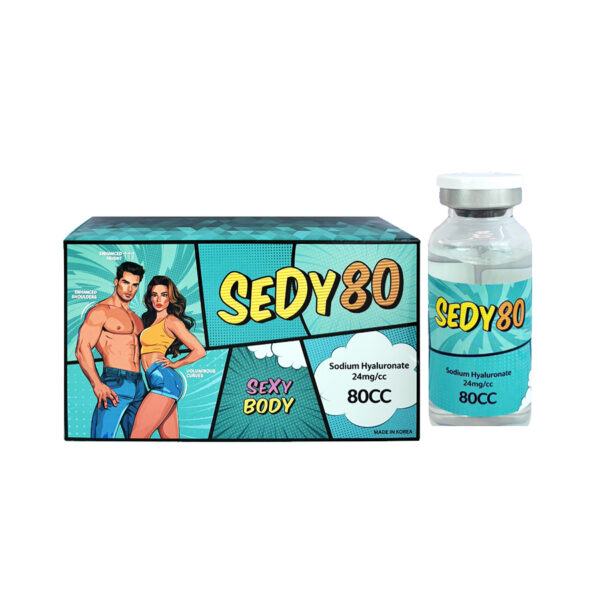
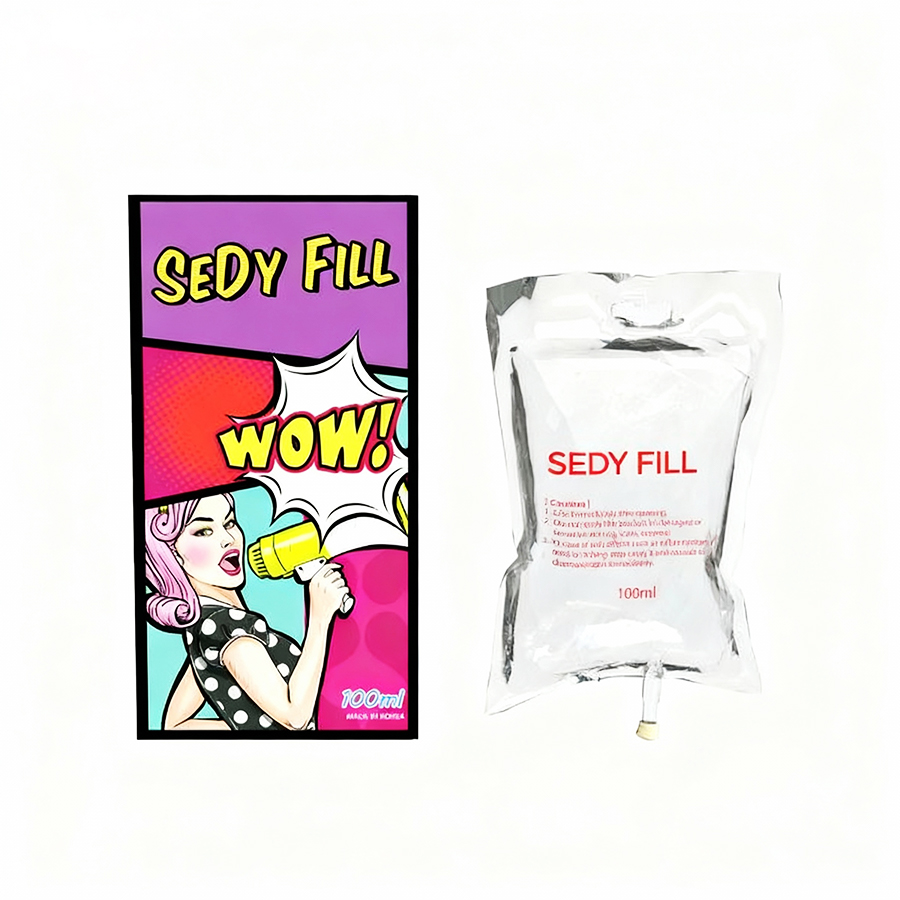
SedyFill 100cc is the highest-volume option in the SedyFill range — 24mg/ml HA in a single bag, designed for practices performing extensive multi-area body contouring or high-volume buttock augmentation. The bag format (not vial) accommodates the larger volume with controlled dispensing through a luer-lock connector. At $1.29/ml, it is the most cost-efficient SedyFill format for practitioners who regularly use 80–100ml per session.
Bag packaging and high-volume practice
The 100cc bag format is a deliberate design choice for large-volume dispensing. Unlike rigid vials, the flexible bag collapses as product is withdrawn, eliminating the air-replacement problem that can introduce contaminants in large-vial formats. The luer-lock connector maintains a closed system during multi-syringe draws. For practitioners performing combined buttock-and-hip or buttock-and-thigh contouring in a single session, the 100cc bag provides the entire product requirement without breaking sterility to open additional containers.
Standard dosing reference
Guideline only — volume is determined by the treating practitioner.
Subcutaneous injection via 18G needle. Volume per area determined by practitioner. Once opened, use within the same session. Unopened bags store up to 2 years.
Technical specifications
Detail for clinical, regulatory, and shipping reference.
| HA Concentration | 24 mg/ml |
| Technology | HENM (patented) |
| Volume | 100cc × 1 bag |
| Injection Depth | Subcutaneous |
| Needle | 18G |
| Duration | 12–15 months (up to 2 years) |
| Reversibility | Hyaluronidase |
| Storage | 2–25 °C |
| Shelf Life | 2 years unopened |
| Origin | South Korea |
FAQ
Bag packaging accommodates the larger volume more efficiently than a rigid vial. The flexible bag format allows controlled dispensing through a luer-lock connector and reduces the dead-space volume (product left behind in the container). Bag packaging is standard for high-volume medical injectables.
Yes. The bag is sealed under the same aseptic manufacturing conditions as vial-packaged SedyFill products. The luer-lock connection point maintains a closed system during use. Once the bag is punctured for dispensing, the product must be used within that session — same as vial formats.
No. Once opened, the entire bag is committed to a single patient and single session. Multi-patient use from a single container is a contamination and liability risk. Practitioners should plan the treatment volume before opening the 100cc bag.
100cc is cost-efficient for high-volume sessions such as extensive bilateral buttock augmentation, combined buttock and thigh contouring, or any multi-area body treatment. It is also the preferred stocking unit for high-volume practices that perform multiple body filler procedures per day.
100cc ($129) has the lowest cost-per-ml at approximately $1.29/ml. 80cc ($82) is $1.03/ml. 60ml ($74.50) is $1.24/ml. For high-volume treatments, the 100cc bag provides the best value. For smaller or single-area treatments, the 60ml vial minimizes product waste.
2 years from manufacturing date when stored at 2–25°C. Verify the expiration date printed on the bag before use. Do not freeze. Do not expose to direct sunlight. The bag should be inspected for integrity (no punctures, no discoloration) before opening.
No. The filler is dispensed from the bag through a luer-lock connector into a standard syringe, then injected via 18G needle exactly as with vial-sourced SedyFill. The gel properties, viscosity, and injection feel are identical to the 60ml and 80cc vial products.
Depends on procedure volume. Low-volume practices: stock 60ml to minimize waste. Medium-volume: 80cc covers most bilateral treatments efficiently. High-volume practices: 100cc bag provides best cost-per-ml and handles extensive multi-area sessions. Many clinics stock two sizes for flexibility.
Related Products
Other body fillers at MJS Medicals.
View product →
View product →
View product →
View product →
Browse all body fillers at MJS Medicals.
Product-specific: Macro-volume — requires experienced practitioner. Practitioner determines safe injection volume per area and per session based on patient anatomy.
Contraindicated in known hypersensitivity to hyaluronic acid; active skin infection at injection site; pregnancy and breastfeeding; autoimmune connective tissue diseases; concurrent anticoagulant therapy (consult physician). Common side effects: injection-site swelling, redness, bruising, tenderness (resolving within days). Rare: nodule formation, asymmetry, infection. Seek immediate attention for signs of vascular occlusion.
Aftercare: disinfect injection points, tape treated area for minimum 3 days, avoid wetting during taping, avoid strenuous exercise for 1 week, follow-up assessment at 2 weeks. Licensed medical professionals only.


RELATED PRODUCTS
Reviews
There are no reviews yet.