



What it is
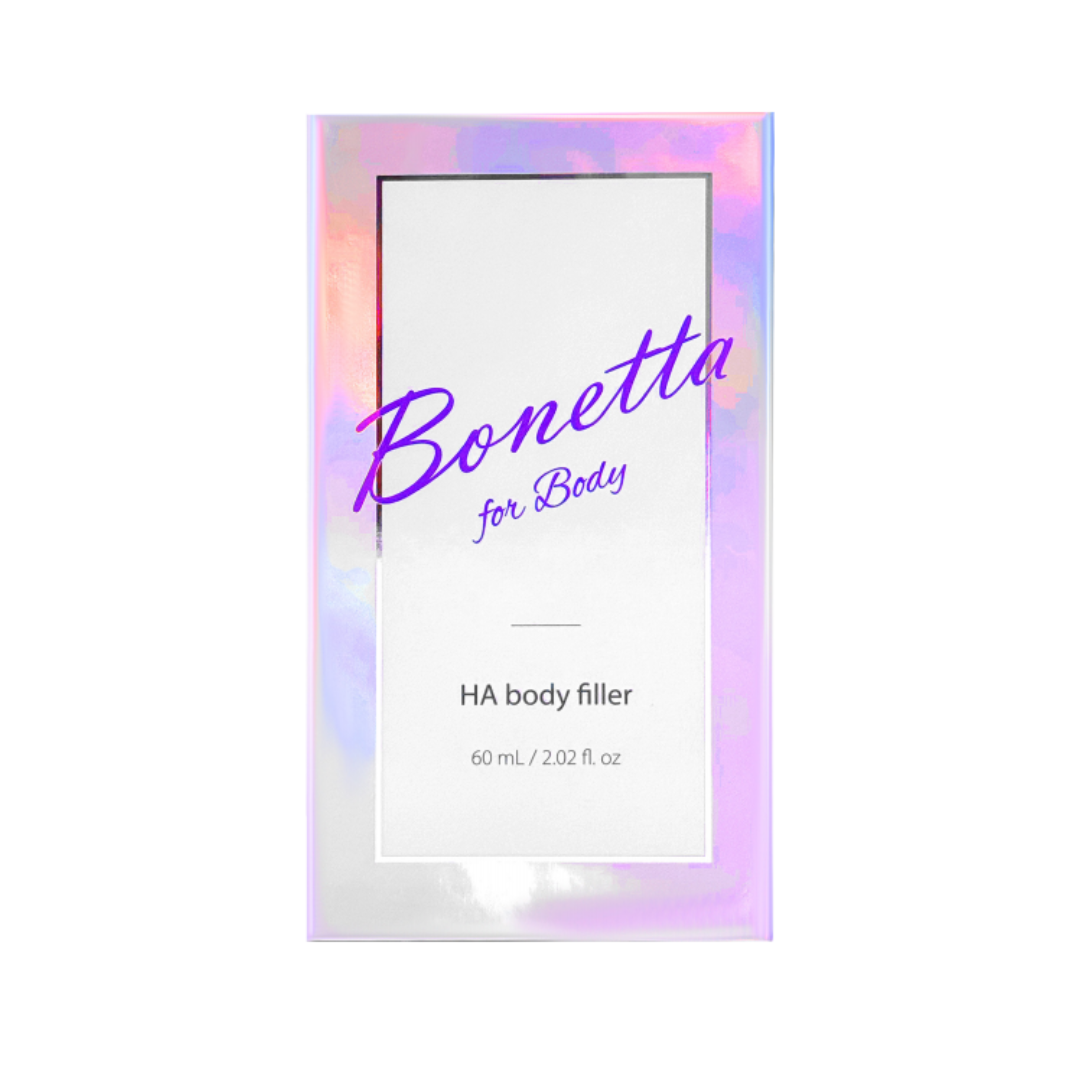
Bonetta Body Filler 60ml is the soft-feel option in the Korean body filler category. Where most body fillers prioritize structural rigidity, Bonetta’s PNET technology deliberately preserves the HA’s natural entanglement with minimal synthetic cross-links — producing a gel that integrates with surrounding tissue rather than sitting as a distinct mass. The clinical trade-off is clear: shorter duration (6–12 months) in exchange for reduced palpability and a more tissue-like result. Choose Bonetta when the patient’s primary concern is how the treated area will feel to the touch, not how long it lasts.
When to choose a soft-type body filler
Not every treatment area needs maximum G-prime. Bonetta’s soft gel excels where tissue thickness is limited and a firm filler would be palpable — upper breast pole, lateral hip transitions, or superficial contour refinements over previous treatments. It is also a practical choice for patients trialing body filler for the first time: the shorter 6–12 month duration means a commitment-free introduction, and full reversibility with hyaluronidase provides an exit if the patient changes their mind. Practitioners report smoother injection flow through 18G needles compared to high-viscosity alternatives.
Standard dosing reference
Guideline only — volume is determined by the treating practitioner.
Subcutaneous or intradermal injection via 18G needle. Volume per area determined by practitioner based on patient anatomy and treatment goals.
Technical specifications
Detail for clinical, regulatory, and shipping reference.
| Main Component | Cross-linked hyaluronic acid (non-animal origin) |
| Technology | PNET (Preserved Natural Entanglement Technology) |
| Type | Soft gel body filler |
| Injection Depth | Subcutaneous or intradermal |
| Needle | 18G luer-lock |
| Duration | 6–12 months |
| Reversibility | Dissolvable with hyaluronidase |
| Storage | 2–25 °C, do not freeze |
| Shelf Life | 2 years unopened |
| Intended Use | Licensed medical professionals only |
FAQ
Conventional cross-linking introduces dense synthetic bonds throughout the HA matrix, creating a stiffer gel. PNET (Preserved Natural Entanglement Technology) takes the opposite approach — it preserves the HA’s natural entangled network and adds only minimal synthetic cross-links. The clinical result is a softer, more tissue-like gel that integrates with surrounding tissue rather than sitting as a distinct mass. This reduces palpability but provides less structural projection than high-viscosity formulas.
Soft gels have lower cohesive strength, which theoretically increases displacement risk under mechanical stress. However, PNET’s entangled network structure helps the gel maintain position better than a simple low-viscosity filler. Proper injection depth (subcutaneous, not intramuscular) and post-procedure taping for a minimum of 3 days are critical to minimizing migration risk with any body filler.
Hyaluronic acid body fillers can appear on imaging. Practitioners should document the injection location and volume for the patient’s medical records. Patients should inform their radiologist about any body filler prior to breast imaging. Unlike permanent fillers (silicone, PAAG), HA is gradually metabolized and does not create permanent imaging artifacts.
Bonetta is positioned as a soft-type filler for areas where a natural, tissue-like feel is prioritized over maximum projection. Higher-concentration fillers (24mg/ml) provide more structural support and longer duration but feel firmer to the touch. Product selection depends on treatment area, desired outcome, and patient preference.
The cross-linked HA is gradually broken down by the body’s natural hyaluronidase enzymes over 6–12 months. The degradation is gradual and symmetrical — volume decreases evenly rather than collapsing suddenly. No residual material remains after full absorption. Repeat treatment can be performed at any point.
Combining different filler formulations in the same treatment area is not recommended as it complicates reversibility assessment and may create unpredictable tissue interactions. Different fillers may be used in different anatomical areas within the same session at the practitioner’s discretion.
After injection, treated areas should be taped in a triangular pattern and kept in place for a minimum of 3 days. Taping helps the filler integrate with surrounding tissue and reduces early migration risk. Patients should avoid wetting the taped area and refrain from strenuous physical activity for at least one week.
HA body fillers offer non-surgical augmentation with no general anesthesia, minimal downtime (days vs weeks), full reversibility with hyaluronidase, and no foreign-body capsular contracture risk. Trade-offs include temporary duration (6–12 months) and the need for maintenance treatments. HA fillers are suited for patients seeking modest enhancement or those who want to trial a result before committing to surgery.
Related Products
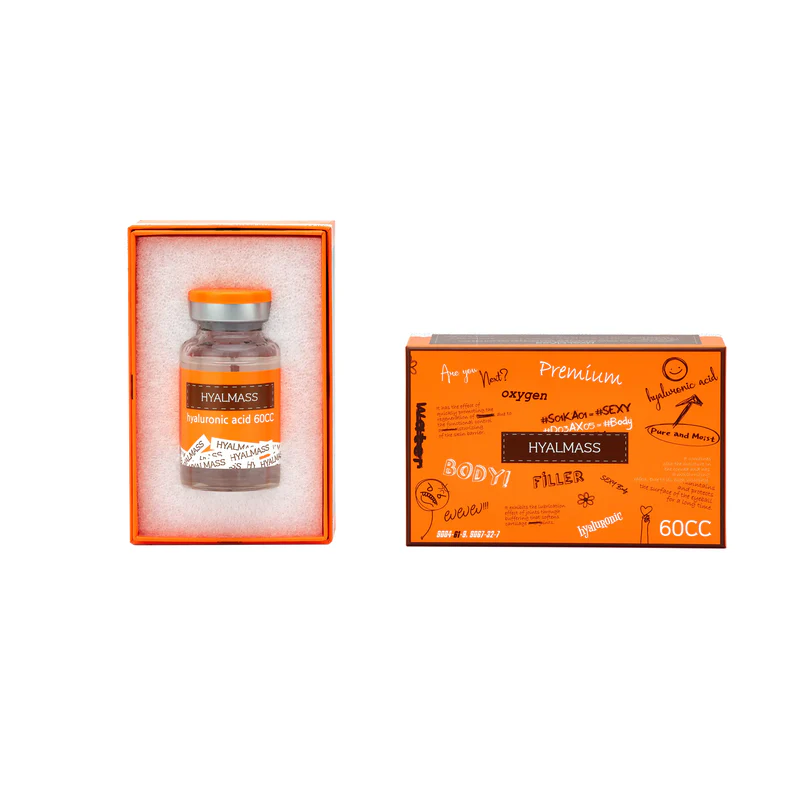
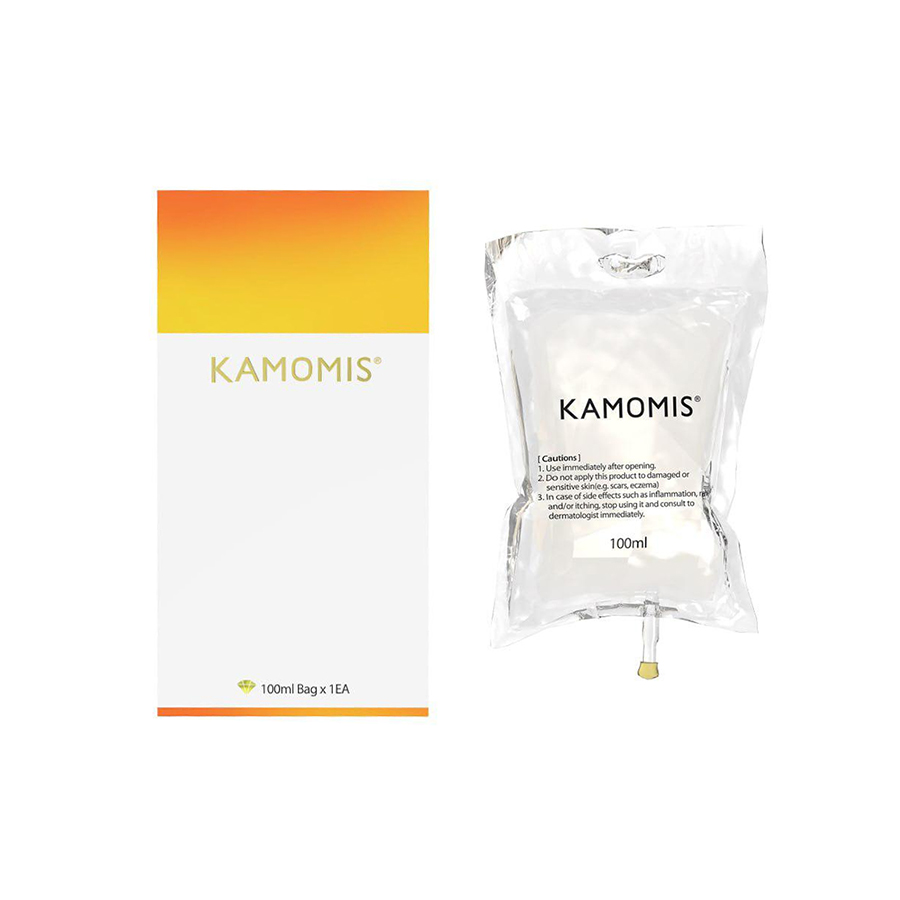
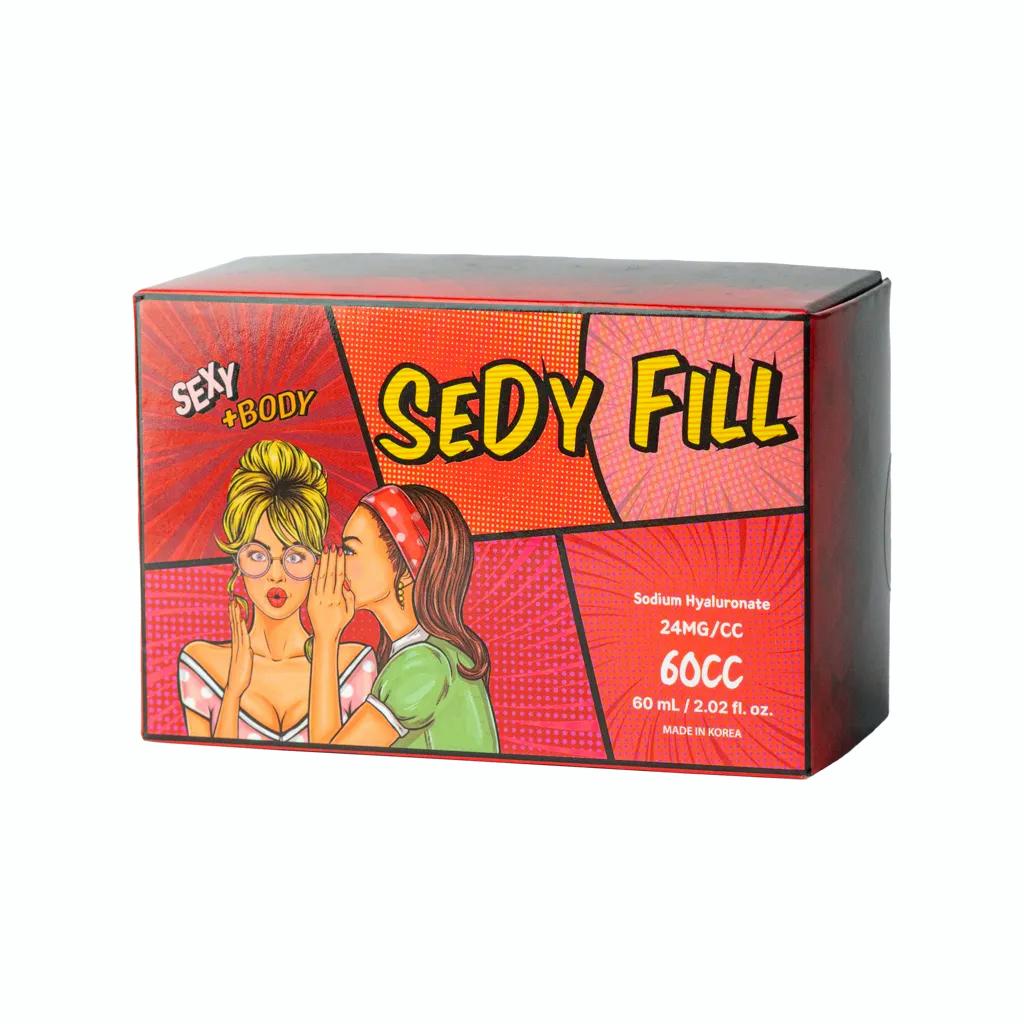
Other body fillers at MJS Medicals.
View product →
View product →
View product →
View product →
Browse all body fillers at MJS Medicals.
Product-specific: Soft gel type — integrates smoothly but provides lower structural support than high-viscosity formulas. Select gel type based on treatment area requirements.
Contraindicated in known hypersensitivity to hyaluronic acid; active skin infection at injection site; pregnancy and breastfeeding; autoimmune connective tissue diseases; concurrent anticoagulant therapy (consult physician). Common side effects: injection-site swelling, redness, bruising, tenderness (resolving within days). Rare: nodule formation, asymmetry, infection. Seek immediate attention for signs of vascular occlusion.
Aftercare: disinfect injection points, tape treated area for minimum 3 days, avoid wetting during taping, avoid strenuous exercise for 1 week, follow-up assessment at 2 weeks. Licensed medical professionals only.





Reviews
There are no reviews yet.