
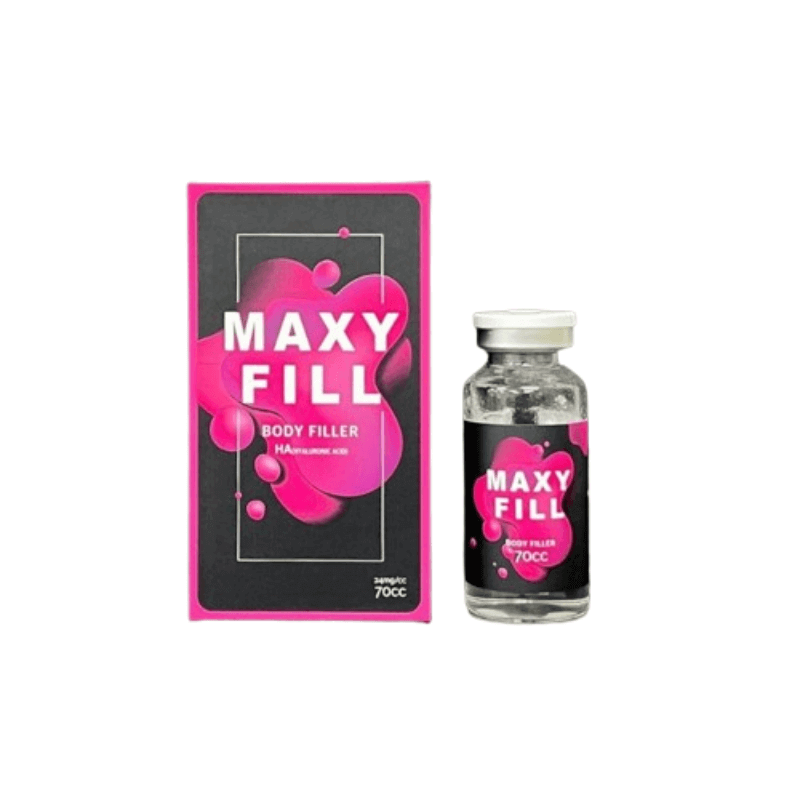
What it is
Maxy Fill 70ml is the only body filler in this category with 3% premixed lidocaine. Every other body filler on this page requires separate local anesthesia before injection. MaxyFill eliminates that step — the anesthetic is delivered simultaneously with the filler, reducing total needle exposure, shortening procedure time, and lowering patient anxiety. The 20mg/ml HENM formula provides a softer gel than 24mg/ml alternatives, which some practitioners prefer for areas where a natural feel outweighs maximum structural rigidity.
Built-in anesthesia and procedure efficiency
The practical impact of premixed lidocaine in a body filler: no separate lidocaine infiltration step (saving 5–10 minutes), no additional needle exposure for the patient, and no risk of lidocaine-induced tissue distortion affecting filler placement. The 70ml volume fills a gap in the product range — larger than a standard 60ml for more extensive single-area treatments, but not as large as 80–100cc when bilateral treatment isn’t planned. For practitioners who perform body filler on anxious or pain-sensitive patients, MaxyFill 70ml is the default choice.
Standard dosing reference
Guideline only — volume is determined by the treating practitioner.
Subcutaneous injection via 18G needle. Volume per area determined by practitioner. Pre-filled — no saline dilution. The 3% lidocaine provides local anesthesia during injection.
Technical specifications
Detail for clinical, regulatory, and shipping reference.
| HA Concentration | 20 mg/ml |
| Lidocaine | 3% premixed |
| Technology | HENM |
| Volume | 70ml × 1 vial |
| Format | Pre-filled, ready to use |
| Injection Depth | Subcutaneous / deep dermal |
| Needle | 18G luer-lock |
| Duration | 6–9 months |
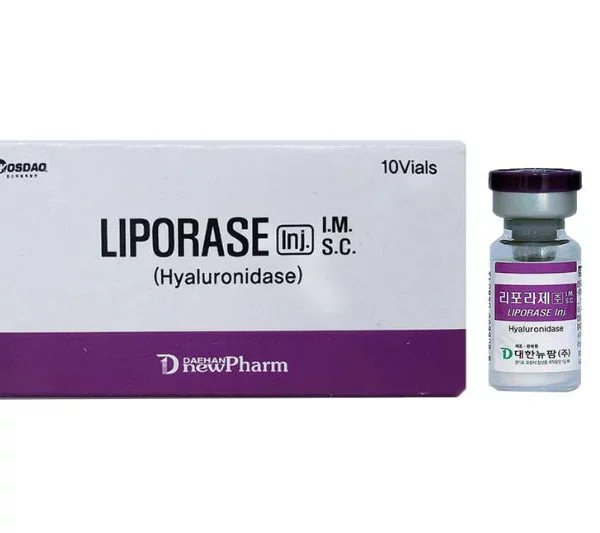
| Reversibility | Hyaluronidase |
| Storage | Room temperature |
| Origin | South Korea |
FAQ
Most body fillers are sold without lidocaine, requiring practitioners to administer separate local anesthesia before injection. MaxyFill’s 3% premixed lidocaine eliminates this step — the anesthetic is delivered simultaneously with the filler, streamlining the procedure and reducing total needle exposure for the patient.
20mg/ml produces a slightly less dense gel that’s easier to inject through an 18G needle. The trade-off is shorter duration (6–9 months vs 12–15 months for 24mg/ml). Some practitioners prefer 20mg/ml for areas where a softer feel is desired, or for patients who want to trial body filler before committing to longer-lasting options.
70ml fills a practical gap: larger than standard 60ml for more extensive single-area treatments, but smaller than 80cc when bilateral treatment isn’t planned. It reduces product waste for mid-volume procedures.
Patients with known lidocaine or amide-type local anesthetic allergy should not receive MaxyFill. Practitioners should screen for anesthetic allergies before the procedure, just as with any lidocaine-containing injectable.
Yes. The HA component is fully dissolvable with hyaluronidase. The lidocaine does not affect reversibility — it is metabolized independently within hours of injection.
Tape treated areas for minimum 3 days. Avoid strenuous exercise for 1 week. Slight swelling and tenderness are normal for 1–3 days. The lidocaine effect wears off within 1–2 hours post-procedure.
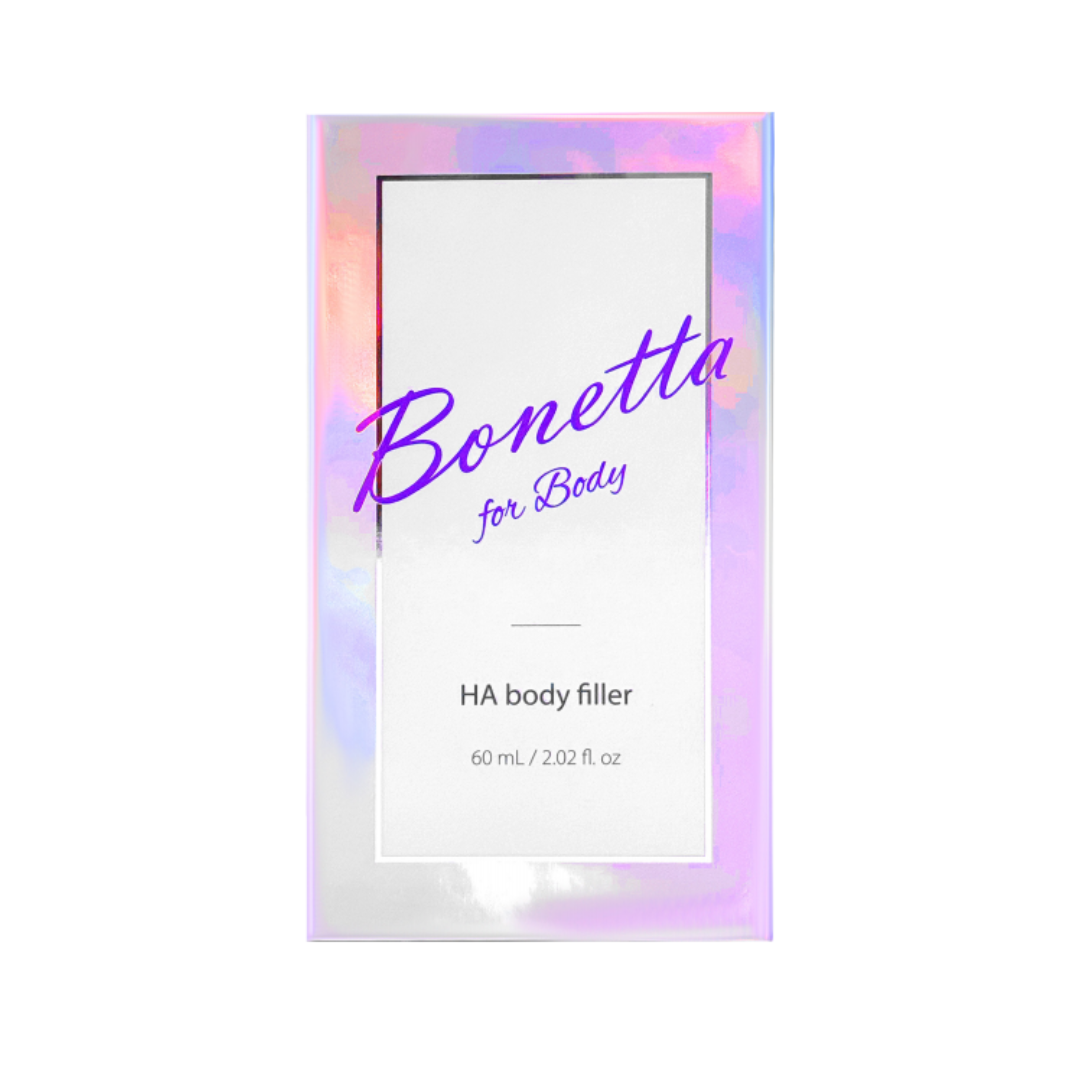
MaxyFill (HENM, 20mg/ml + lidocaine) prioritizes procedural comfort with built-in anesthesia. Bonetta (PNET, soft gel, no lidocaine) prioritizes tissue integration and natural feel. Both are reversible HA fillers with different clinical use cases.
Pre-filled and ready to inject. No saline dilution, no mixing, no preparation. Open the vial and connect the 18G needle directly.
Related Products
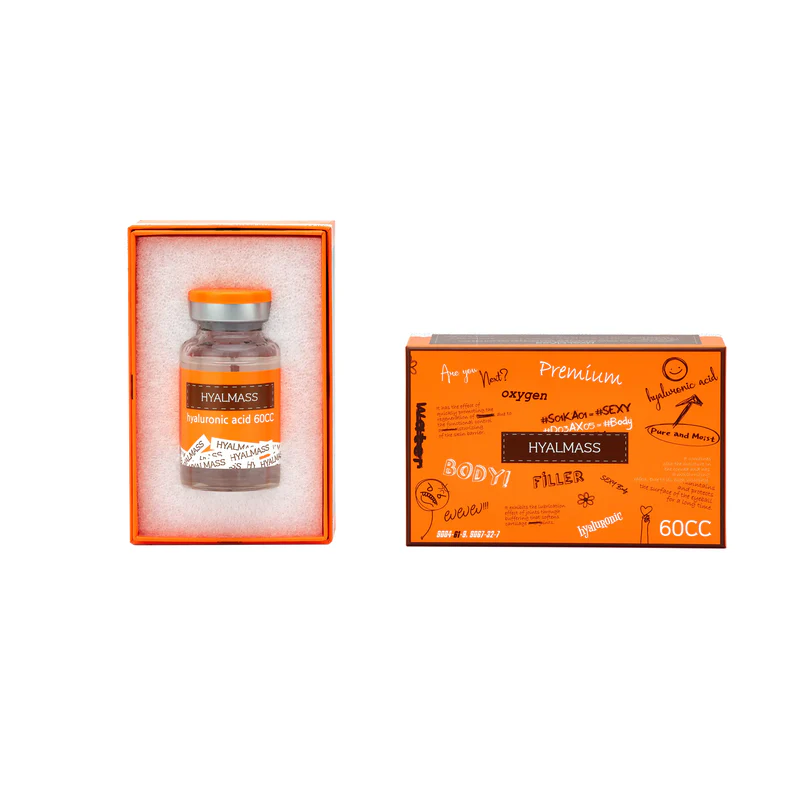
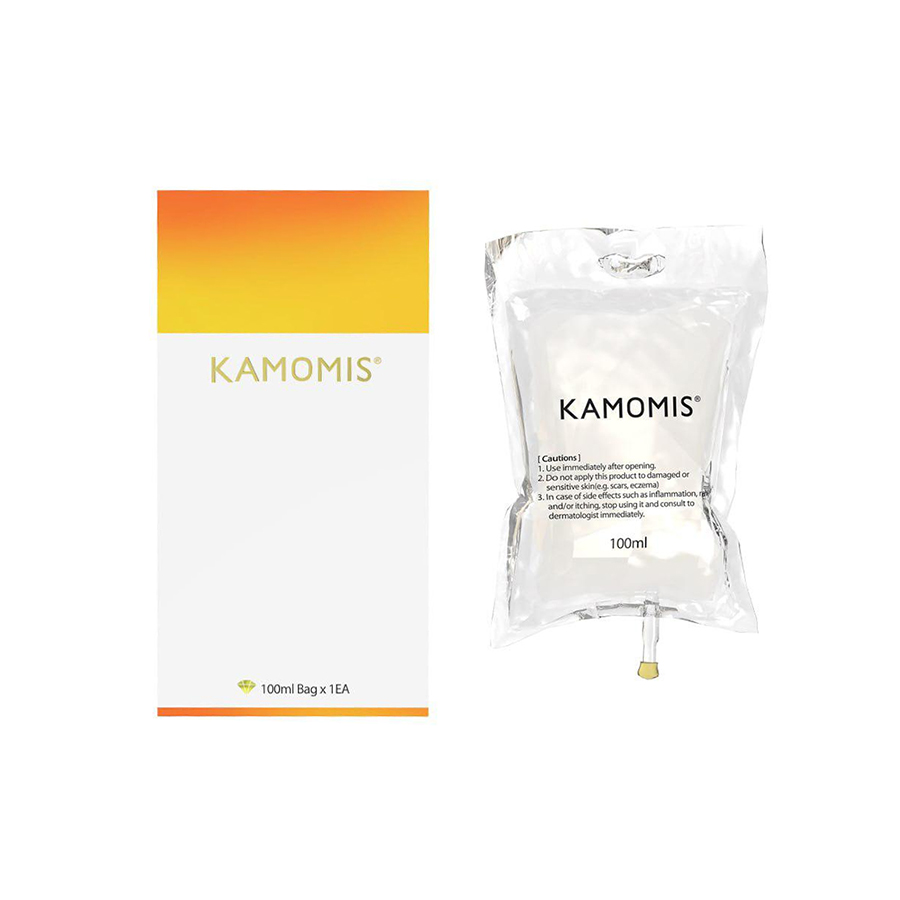
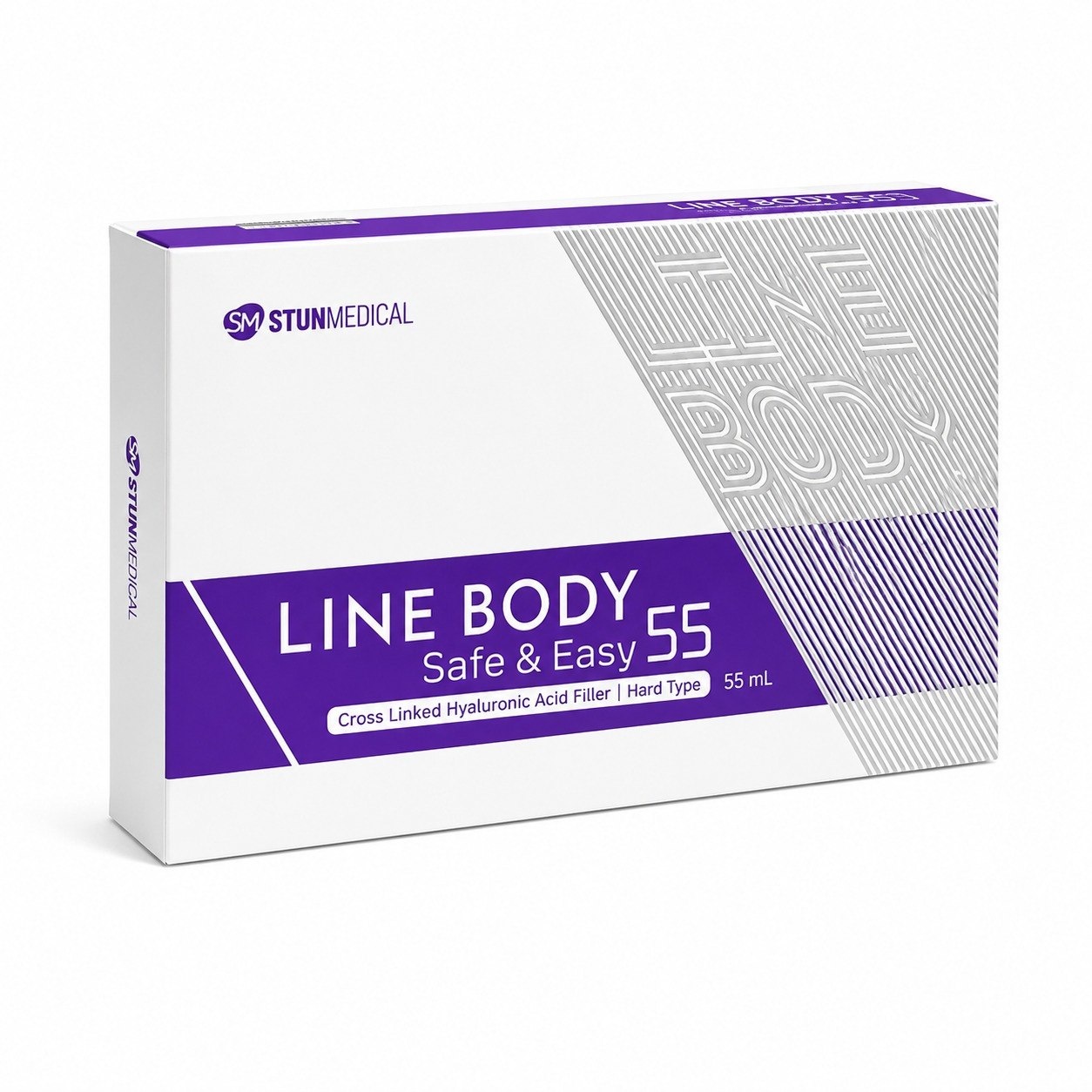
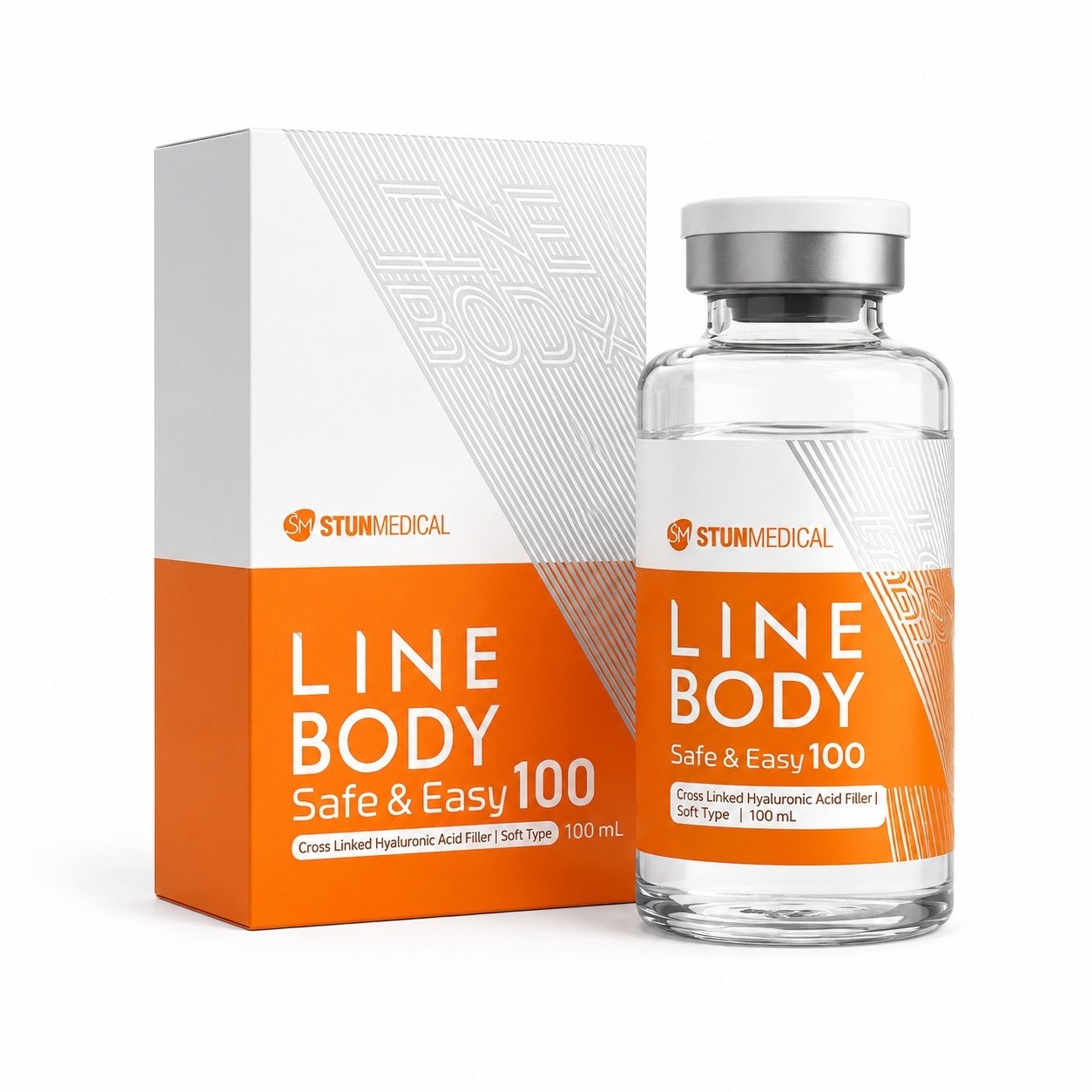
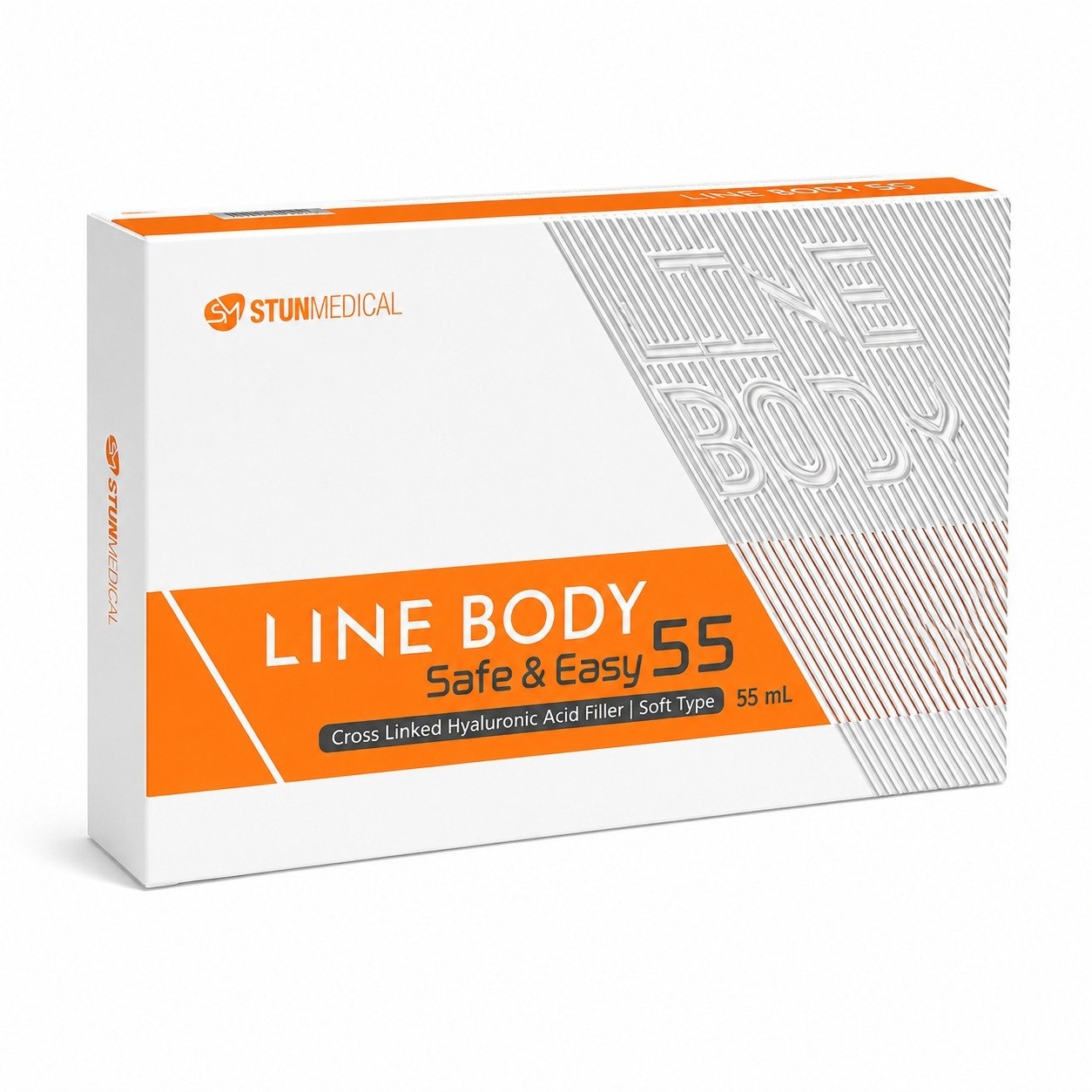
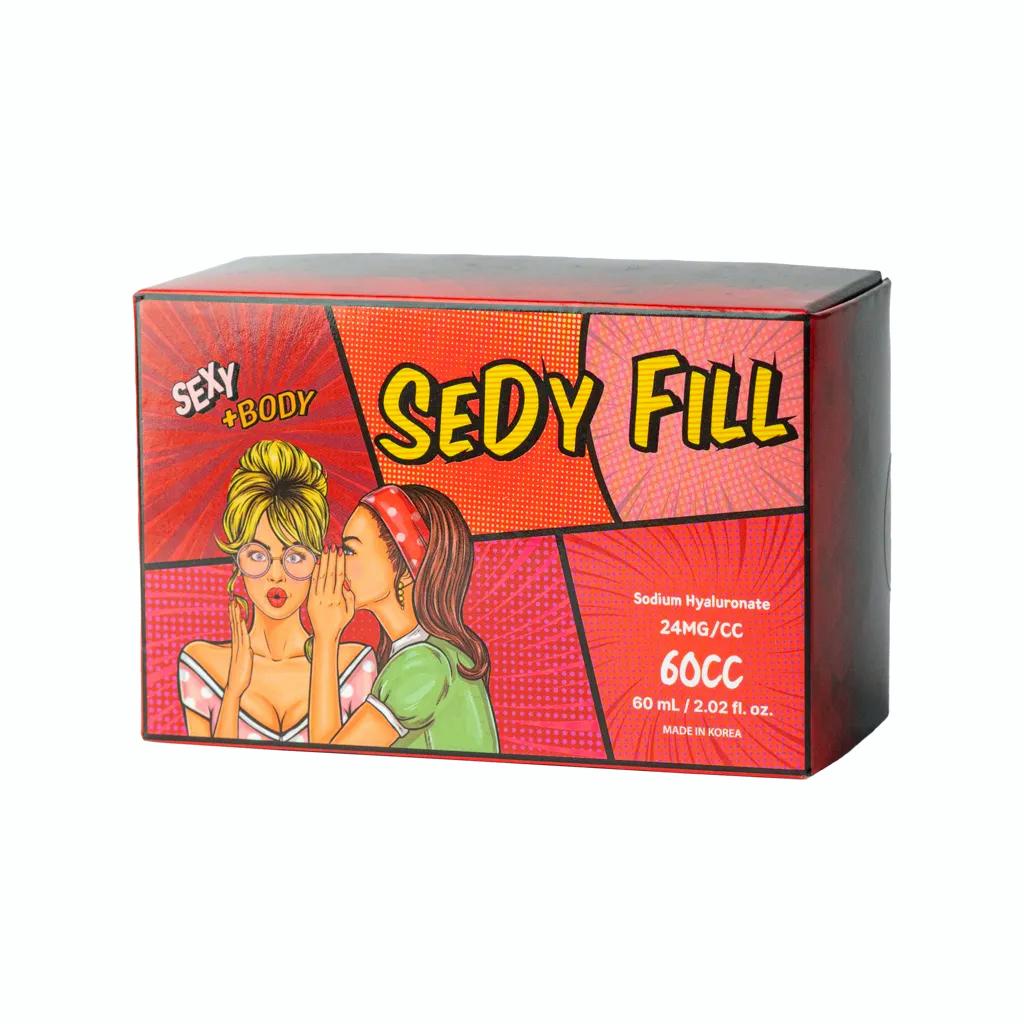
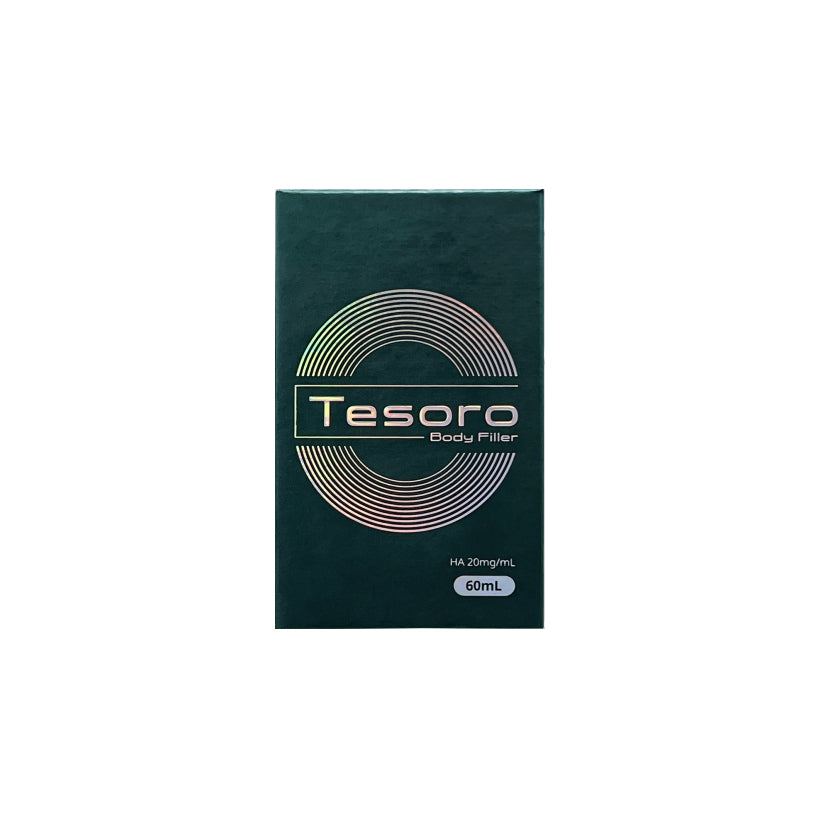
Other body fillers at MJS Medicals.
View product →
View product →
View product →
View product →
Browse all body fillers at MJS Medicals.
Product-specific: Contains 3% lidocaine — contraindicated in patients with known amide-type anesthetic allergy. Screen for anesthetic allergies before use.
Contraindicated in known hypersensitivity to hyaluronic acid; active skin infection at injection site; pregnancy and breastfeeding; autoimmune connective tissue diseases; concurrent anticoagulant therapy (consult physician). Common side effects: injection-site swelling, redness, bruising, tenderness (resolving within days). Rare: nodule formation, asymmetry, infection. Seek immediate attention for signs of vascular occlusion.
Aftercare: disinfect injection points, tape treated area for minimum 3 days, avoid wetting during taping, avoid strenuous exercise for 1 week, follow-up assessment at 2 weeks. Licensed medical professionals only.


Reviews
There are no reviews yet.